


cooking utensil pages

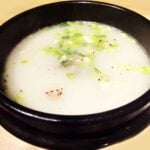
  1. Ox bone soup (Seolleongtang)

    The milky broth is achieved by simmering for hours and hours. There’s no rule to how many hours you have to boil it, but I can tell you that you need simmer until you get a milky broth, and the bones are smooth with no more meat is sticking to them. The bone marrow should be all boiled away so that there’s a cavity in the center of each bone. The inside of the bones should look like a sponge.

  2. samgak kimbap mold

    Triangle gimbap mold

    This is a mold to make a special kind of rice roll called samgak-gimbap. It’s a specialized tool with only one use but it’s not too expensive, just a few dollars. You can find them in Korean or Japanese grocery stores where they are sometimes they are sold in little kits, and include the gim (seaweed sheets) you […]

  3. Rice Cooker

    Rice cooker

    You can make all the delicious rice you need in a simple pot on a stovetop, or any source of heat, including a fire. I do it all the time. But an electric rice cooker useful to have and convenient and I use mine all the time. You can turn it on and do other […]

  4. Barbecue Grill Pan

    Korean bbq grill plate

    This ridged grill pan slopes downwards so the fat rendered from cooking meat can drain into a second pan that fits underneath and surrounds it. The resulting meat cooked on it is moist and juicy but not too oily, which makes this pan perfect for cooking pork belly. You could also just use a skillet and […]

  5. strainer

    Strainer

    A basic Korean broth is made with dried anchovies and kelp, and is used to flavor many iconic Korean dishes (like sundubu-jjigae, for example). These little tea strainers are useful for keeping the anchovies together while you boil the umami out of them, so they don’t break up into the broth, which make it bitter. These strainers […]

  6. Korean Rice Scoop

    Rice scoop

    I use a special scoop to get rice out of a rice cooker or pot: it’s big and wide and made of plastic or wood. Some of my scoops have a bit of a texture on them to pick up all the grains, others are just smooth. You can just use a regular spoon, if you […]

  7. Korean portable gas stove

    Gas burner

    A lot of people ask me about the gas burner I use in my videos: they want to know where I got it, and how much it costs, and if they need one to make Korean food. You don’t need to have one, I use it because it’s convenient, hot, has a flame (I prefer a […]

  8. knives

    Knives

    People ask me about my knives all the time. They wonder if they are special kinds of knives. They are not all that expensive. More important is that I keep them sharp and that they are comfortable in my hand. I’ve used many kinds of knives over the years but these days I use a 8¼ […]

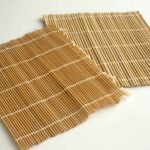
  9. Bamboo gimbap mat

    Bamboo mat

    You’ll need one of these if you’re going to roll gimbap, although as I show you in the video they are not essential. Your gimbap will be a lot tighter when rolled with one though. You can find them in the kitchenware section of Asian grocery stores, near the sushi-making ingredients in the supermarket, or on Amazon. They’re […]

  10. Korean Earthenware Pots

    Earthenware bowl

    These Korean earthenware bowls and pots are called ttukbaegi in Korean and can be used to cook many Korean dishes including sundubu, doenjang-jjigae, and samgyetang. They’re perfect for stews and soups because the stone retains the heat so the dish remains hot until you finish your meal. If I can find them, I prefer the ones that are matte, […]