A late-fall delicacy, ginkgo nuts enrich and garnish sweet and savory dishes. I usually buy them shelled since they are too easily crushed when you shell them yourself. When cooked, ginkgo nuts turn a beautiful jade color. You’ll find them in the refrigerated produce section in season or in the freezer section of Korean grocery […]
Brown sweet rice is a type of short grain sweet rice, and has more starch and is much stickier than usual short grain rice. This is why it’s also called “brown glutinous rice”, because it’s like glue, not because it has gluten. It tastes chewy and earthy when cooked, and is great for mixing with other […]
You can get easily find these frozen oysters in the freezer section of a Korean grocery store. These shucked frozen oysters can be eaten raw because they were flash frozen. If I use them in my kimchi, I don’t even need to thaw them out. I just rinse and drain them, and then chop them and add […]
There are many kinds of bread crumbs in the world, but Korean bread crumbs are airy, flaky, and light. We use them as breading on fried food to make the outside crispy and crunchy without getting oily, and they don’t get soggy after cooking, either. It’s an idea we got from Japanese Panko. You can […]
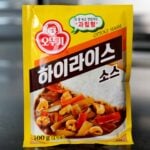
This powder makes a delicious, rich, savory demi-glace sauce that’s full of umami. It has a beefy taste like gravy, but also has tomatoes in it. It’s the Korean version of Japanese hayashi rice sauce, which is part of Japanese yōshoku cuisine, Japanese/Western fusion food developed in the late 1800s. Curried rice was also invented around this time, and hayashi […]
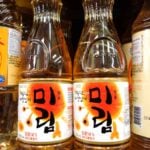
This sweet wine (called mirin in Japanese) is not an everyday seasoning for me, but it comes in handy to enhance a dish and give it a bit of concentrated sweetness, or to remove undesirable odors from fish and meat and make them even more delicious. It can also be used in marinades as a […]
Many people who watched my rice cake videos that use frozen rice flour and who haven’t used rice flour before asked me many questions about it. Rice flour (ssalgaru) is flour made from finely milled rice. Koreans usually use one of two kinds of ssalgaru for making rice cakes: chapssalgaru (sweet rice flour) and maepssalgaru. Maepssalgaru is made with short grain […]
Bellflowers grow wild in the mountains and fields of Korea, although they are also cultivated these days. The root looks similar to ginseng root and tastes bitter with strong ginseng-like smell. They have a lot of uses in Korean cuisine and are also used as medicine. You can find them in a Korean grocery store. […]
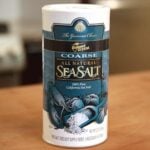
Sea salt is made by the natural evaporation of ocean water, leaving the salt behind. It’s chunky and easy to grab and contains trace minerals from the ocean. It can be used for making kimchi but I personally use kosher salt which is easier to find and also chunky. See more about the difference between […]
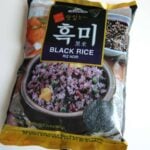
Due to the presence of healthy compounds called flavonoids that are also found in large quantities in blueberries, black sweet rice (also called black glutinous rice) is actually dark purple. Adding just a tablespoon or two to white or brown rice will give it a pretty lavender color and a mildly nutty flavor. It’s great […]
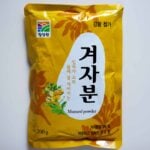
Ground Korean mustard seeds have a bright yellow color that I love. The powder has a flavor similar to regular English powdered mustard, which you can substitute. You can find this in Korean grocery stores.
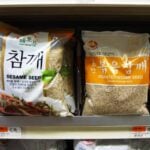
Toasted sesame seeds add a bright nutty flavor to many dishes in Korean cuisine. You can get pre-toasted sesame seeds in a Korean grocery store or buy dried raw sesame seeds (cham-kkae: 참깨) and toast them at home. Even if you buy pre-toasted seeds in the store, you can give them a quick toasting at home […]
This dried edible seaweed (also called sea mustard, or Wakame in Japanese) is incredibly nutritious and packed full of vitamins and iodine. It’s a key ingredient in seaweed soup (miyeok-guk). It’s sold dried, and when rehydrated it expands quite a bit! Find it in Korean and Japanese grocery stores or natural foods stores.
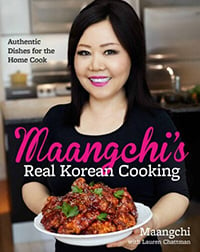
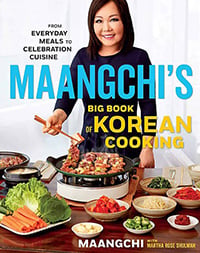
Which to get? Both are best sellers and either one is a good choice if you want to learn Korean home cooking. Maangchi's Real Korean Cooking has all the recipes for all the essential Korean pastes and sauces, but my second book Maangchi's Big Book of Korean Cooking has more recipes, more photos, and more variety.