


Hi everybody!
Doenjang-jjigae (된장찌개) is one of Korea’s most beloved comfort foods. This hearty, savory stew is full of the deep, earthy flavor of fermented soybean paste, with tender vegetables, tofu, shrimp, and anchovies. Served bubbling hot with a bowl of rice, it’s a meal that never gets old!
Today I’m wrapping up my doenjang (fermented soybean paste) project by sharing one of the most popular ways to enjoy doenjang: doenjang-jjigae!
Many Koreans say, “I never get tired of eating kimchi, doenjang-jjigae, and rice!”
For many Koreans, doenjang-jjigae brings back memories of home. Mothers often mix a little doenjang-jjigae or doenjang-guk with fluffy white rice for their young children. Years later, when those children grow up and move away, a bowl of their mother’s doenjang-jjigae can bring back all those comforting childhood memories.
Some Koreans traveling abroad start craving doenjang-jjigae after just a few days away from home. One of my friends, who has lived in the United States for more than three decades, even packs a small jar of doenjang in her checked luggage when she travels. Her husband gets tired of eating non-Korean food, so she makes a quick doenjang-jjigae for him in their hotel kitchen!
There are many delicious versions of doenjang-jjigae. Since sharing this recipe, I’ve also posted doenjang-jjigae with beef and doenjang-jjigae with scallops. You can also try my doenjang-jjigae geotjeori bibimbap, which combines doenjang-jjigae with fresh vegetables and rice. The recipe I’m sharing today is my standard version, one I’ve been making for years. It’s also featured in my cookbook.
What makes this version especially exciting for me is that I made it with my own homemade doenjang! But don’t worry if you don’t have homemade doenjang. Store-bought doenjang works beautifully, too, and your stew will still be delicious, I promise!
Enjoy the recipe!
Ingredients
Serves 2-4
- 1 medium potato, peeled and cut into ½-inch cubes (about 1 cup)
- 1 medium onion, cut into ½-inch pieces (about 1 cup)
- 1 small zucchini, cut into ½-inch pieces (about 1 cup)
- 1 green Korean chili pepper (cheong-gochu), stemmed and chopped
- 4 garlic cloves, minced
- 4 large shrimp, shelled, deveined, washed, and coarsely chopped (about ⅓ cup)
- 2½ cups water
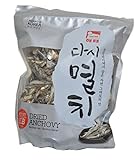
- 7 dried anchovies, guts removed
- 5 tablespoons fermented soybean paste (doenjang)
- 6 ounces medium-firm tofu, cut into ½-inch cubes (about 1 cup)
- 2 green onions, chopped

Directions
- Combine the potato, onion, zucchini, chili pepper, garlic, and shrimp in a 1½-quart (6 cups) earthenware pot or other heavy pot.
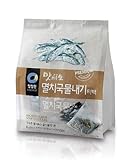
- Wrap the dried anchovies in cheesecloth (or a dashi bag, a pouch for stock-making sold at a Korean grocery store), and put them into the pot with other ingredients Add water and cover.
- Cook over medium-high heat for 15 minutes until it starts boiling. If you use a stainless steel pot, it will take less than 15 minutes, about 7 to 8 minutes.


- Stir in the soybean paste, mixing well. Cover and cook for 20 minutes longer over medium heat.
- Add the tofu and cook for another 3 minutes. Remove the anchovy pouch and discard.
- Sprinkle with the green onions and serve as a side dish to rice. Serve it directly from the pot, or transfer to a serving bowl. Everybody can eat together out of the pot, or portions can be ladled out in individual bowls for each person.


Buy this recipe's ingredients online
I really like Weee! they deliver quality packaged and fresh Korean ingredients to the continental USA. Cheaper and better than Amazon! Check them out!





Hello!
I’ve been following the site for many years and I love the recipes!
I made this for the first time last night and it turned out really well. I didn’t have the anchovies so I subbed a bit of fish sauce. Also, not having zucchini, I used some fresh pumpkin that I grew in the garden last year.
A couple thoughts. If you sub something like pumpkin, don’t add it at the beginning. Mine was in 1/4 inch cubes so it only took about 5 min to heat through. I also didn’t put the shrimp in until I added the tofu. It really cooks through quickly and it stays more tender adding it later.
I had it with some Eomuk, Kimchi, and Cheonsachae (all homemade, of course!8) I’m very fortunate to work outside of Chicago and have access to a terrific Korean Market!)
Keep going, Mangchi!
Mr. Kris
Hi Kris,
Making doenjang jjigae with fresh pumpkin harvested from your own garden sounds even more delicious!
When I make soybean paste stew, I usually add shrimp from the beginning and let them simmer. This is because during the boiling process, the flavors blend well, resulting in a delicious stew.
Would sweet potato be Ok to use instead of white potato in this recipe ? Many thanks.
Homemade Doenjang-jjigae…delicious…thank you for the recipe!
Delicious! You have many ttukbaegi (earthenware bowls)!
I’ve made this several times in different ways and it’s always good. Replaced tofu with chicken once; one time for stock used homemade vegetable stock with a bit of dashi powder in it. It’s always great. I have mine with some Maangchi radish kimchi and a preserved duck egg sliced into it.