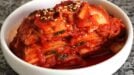
Make my easy kimchi with just one 3-pound head of napa cabbage! This small-batch mak-kimchi is cut into bite-size pieces before salting, making it simple to prepare and easy to serve.
Korean sausage gimbap!
Let’s make delicious, nutritious gimbap with just a little rice and plenty of flavorful fillings! This time, I added braised sausage.
Full recipe: https://www.maangchi.com/recipe/sausage-gimbap
Learn how to clean abalone and make abalone sotbap, a nourishing Korean stone pot rice dish with tender abalone, miyeok, garlic, and crispy scorched rice at the bottom.
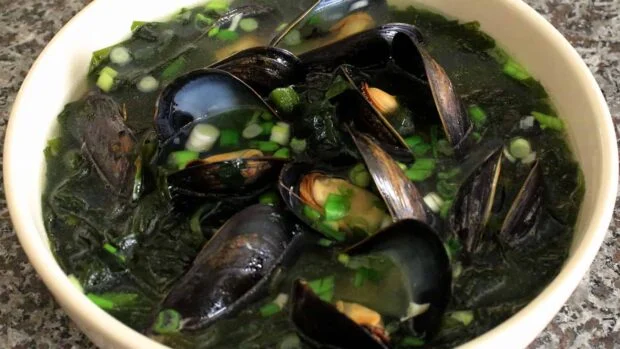
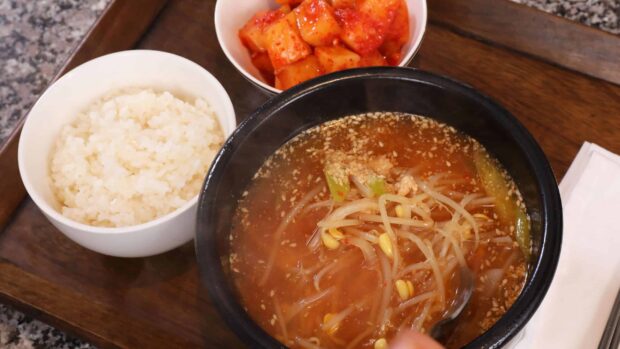
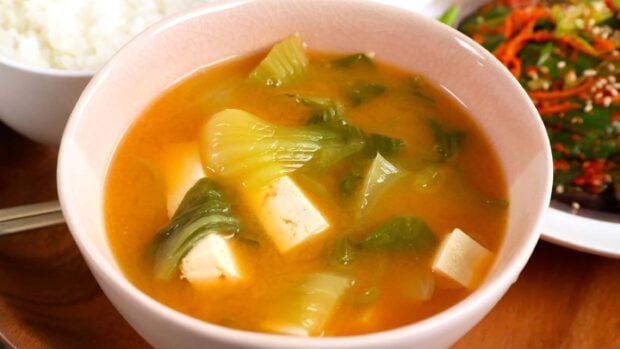
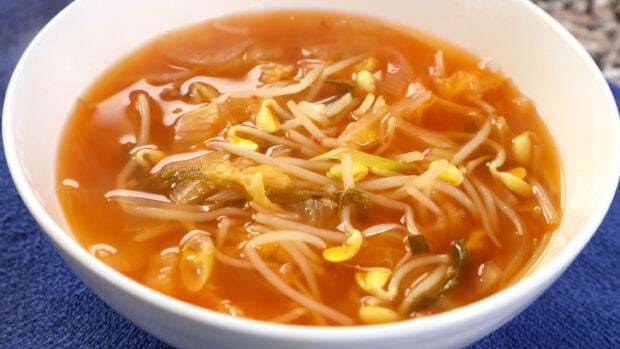
Korean cuisine consists of many vegetarian or vegetable-centric recipes that use seasonal, locally sourced vegetables, often foraged. See all my soup recipes
Andong-style Korean jjimdak is made with tender braised chicken, colorful vegetables, mushrooms, and chewy glass noodles in a rich, savory, slightly sweet sauce. Perfect for sharing!
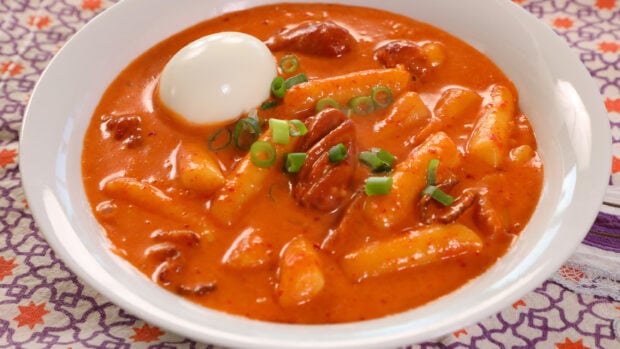
A creamy, Italian-inspired variation on the popular spicy Korean street food, rosé tteokbokki is a recent phenomenon in Korea. The first time I even heard about it was when one of you asked: “Maangchi, do you have a recipe for rosé tteokbokki?” Now I do!
Street stalls selling quick, inexpensive, inventive, eye-catching snacks have been a part of Korean food culture for centuries. The stalls are usually clustered wherever people gather, like schools, markets, festivals or entertainment districts. The food is constantly evolving, with new dishes and techniques developing literally overnight and then copied and reworked by other vendors in a never-ending cycle. See all my preserved side dish recipes
Koreans have been making and eating these beautifully juicy, crumbly, layered cookies for more than a thousand years! Traditionally we had them only on special occasions and ceremonies, but you can make them whenever you feel like. Why not??
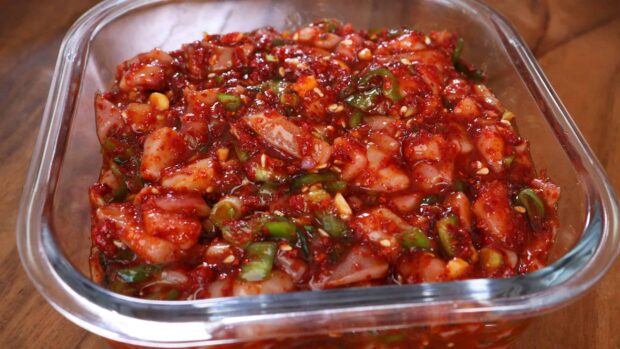
“Sanne, your homemade ojingeojeot (fermented squid side dish) has a much deeper flavor than store-bought ojingeojeot, and it’s less sweet, too. It’s also surprisingly easy to make, isn’t it? And while it’s fermenting, there’s always something ...” by Maangchi
“This is my second time making this recipe, and I love it! This time I added the extra 1T sugar and it's just perfect. Nothing beats the crunch of radish kimchi” by jtaylor7226
“Hi Dear Maagchi,
the fermented salted anchovies are so much better (and cheaper) than anything you can buy here. I'll make them again soon before I run out!” by sanne
Yangnyeom-gejang, spicy raw crab, is a favorite of mine and a real delicacy. It’s sweet, soft, spicy, and has a jelly-like texture. You have to try it!



























Latest Comments
Kkakdugi (Cubed radish kimchi)
“With a little more sugar, once it ferments, it should turn into a nice sweet-and-sour kkakdugi. Congratulations! 👏”
by Maangchi
Fermented squid side dish (Ojingeojeot)
“Sanne, your homemade ojingeojeot (fermented squid side dish) has a much deeper flavor than store-bought ojingeojeot, and it’s less sweet, too. It’s also surprisingly easy to make, isn’t it? And while it’s fermenting, there’s always something ...”
by Maangchi
Kkakdugi (Cubed radish kimchi)
“This is my second time making this recipe, and I love it! This time I added the extra 1T sugar and it's just perfect. Nothing beats the crunch of radish kimchi”
by jtaylor7226
Fermented squid side dish (Ojingeojeot)
“Hi Dear Maagchi, the fermented salted anchovies are so much better (and cheaper) than anything you can buy here. I'll make them again soon before I run out!”
by sanne