


Today, I’m sharing my very simple recipe for Korean pepper pickles (gochu jangajji) with you. It’s a very simple ferment of peppers that can be stored in the fridge and enjoyed over a long period of time.
I’ve shown you how to make pickled peppers (vegetarian version) before, but this time I’m going to show you a version of gochu jangajji made from a fish sauce base. I use special Korean traditional green chili peppers called “asagi gochu” sold in Korean grocery stores for this that are mild, sweet, juicy, and super crispy. The peppers are in their peak in the summer, so they are not always available, but you still can use your favorite mild and crispy green chili peppers like Anaheim peppers, or even use spicy peppers if you want.
My grandmother made pepper jangajji in the summer every year. She then served it to her family over the entire year until the next summer, when she made them again. So pepper jangajji was always available on her table every day.
She first soaked fresh green chili peppers in salty water for a few days until they turned yellow-green. She then drained them and put the peppers deep inside her salty doenjang paste or salty fermented anchovy fish. A few months later, the peppers turned savory and crispy but were very very salty! I remember I finished a bowl of rice with just 1 pepper because it was so salty and spicy.
I developed this recipe several years ago to make it less salty and spicy and more juicy. A good thing about it is there’s no waste at all: after the peppers are gone, there’s a lot of leftover brine which is very very tasty and has a lot of uses in my cooking. I can add it to my noodle soup, a variety of vegetable side dishes, or simply as a substitute for soy sauce.
After fermenting, keep them in the fridge and enjoy them little by little until they run out.
With each crunchy bite, the flavorful juice bursts out, making you want to keep eating more rice. There’s no need for any extra seasoning, just enjoy their taste as-is.
Ingredients
- 2 pounds Korean green chili peppers (not spicy), washed and drained
- 8 cups water
- 1¼ cup fish sauce
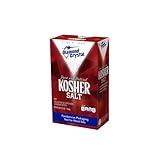
- ½ cup kosher salt
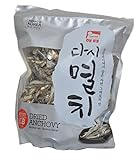
- 12 large dried anchovies (2½ inch long), heads and guts removed

Equipment needed
- a one gallon glass jar
- a toothpick or a metal chopstick
- weights for pickle making (or rocks that fit into the jar)
Directions
Prepare the peppers:
- Cut off the stems of the peppers, leaving about ½ inch at the top.
- Make a hole with a toothpick or metal chopstick on each pepper, just under the stem. These holes will allow the brine to seep into the pepper.


- Put the peppers into the glass jar.

- Set it aside.
Prepare the brine:
- Combine the water, fish sauce, salt, and the anchovies in a pot. Cover and cook over medium high heat for about 30 minutes.


- Remove from the heat, discard the anchovies, and cool it down thoroughly. You will get about 7 cups nice savory brine.

Add the brine into the peppers:
- Add the brine to the peppers in the jar. Keep the peppers submerged in the brine by weighing them down with pickle weights or rocks (or anything else handy)

- Cool down, cover, and refrigerate for 24 hours.
Finish the pickles:
- Open the jar, take out the weights, and pour the brine out of the jar into a pot.

- Cook until vigorously boiling for about 20 minutes over medium high heat. Remove from the heat and cool it down thoroughly.
- Pour the cooled brine back into the jar. Place the weights and cover.
- Refrigerate for 1 week and start eating.

Buy this recipe's ingredients online
I really like Weee! they deliver quality packaged and fresh Korean ingredients to the continental USA. Cheaper and better than Amazon! Check them out!





Would it be okay to use small red peppers for this recipe? I have a lot of red Kusburnu chili peppers from my garden.
Hi Marain,
Yes, you can use small green or red peppers. I looked up Kusburnu chili peppers, and it seems they’re quite spicy. But if you’re okay with that, go ahead and use them. Since they’re very small, you don’t need to make a hole in each one. : ) You might also want to add a bit more salt or fish sauce.