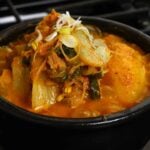
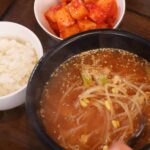
Have you ever heard of gamjatang? Gamjatang is soup made with pork neck bones and vegetables. Sizzling hot gamjatang is hearty and savory which makes it always popular at the dinner table. The soft fatty meat picked from the gaps between the bones is especially tasty. The fully cooked cabbage and bean sprouts in the stock turn soft yet […]
You probably know that the recipes on my website are still used in my everyday cooking. This time I’m making hwajeon, disc-shaped pan-cooked rice cake with flowers on top. Whenever I crave some chewy rice cakes, this is my go-to recipe because it’s so easy and fast to make. The rice cakes are sweet and […]
Commercial fish cakes are made of starch, flour, sugar, and ground fish, squid, or shrimp, formed into shapes, fried or steamed and then sold frozen. The best quality fish cakes have a high fish content. Some brands contain MSG, so always check the ingredients on the back of the package to see what you’re getting. […]
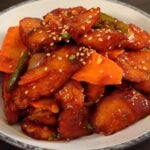
Every Korean lunchbox (dosirak) can use a bit of these spicy stir-fried fish cakes. Spicy, chewy, salty and spicy, kids love them but so do parents. What’s not to love?
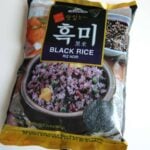
Due to the presence of healthy compounds called flavonoids that are also found in large quantities in blueberries, black sweet rice (also called black glutinous rice) is actually dark purple. Adding just a tablespoon or two to white or brown rice will give it a pretty lavender color and a mildly nutty flavor. It’s great […]
Kongnamul-guk is a typical Korean everyday soup. If you see someone who can make delicious kimchi and kongnamu-guk, you can say they’re good at Korean cooking! This version is from my 2009 kongnamulguk video where I post 2 versions: Spicy and non-spicy. I updated my spicy version video and the written recipe on Dec.3 2020. […]
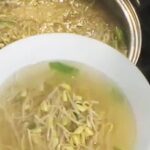
Today’s recipe is for kongnamulguk (soybean sprout soup), which is one of the most common, typical, and popular Korean soups, made with soybean sprouts in a delicious, savory broth. As you know, a Korean meal is composed of rice, soup or stew, and side dishes, so soup has a very important role in Korean cuisine. […]
Abalone porridge (jeonbokjuk) is known as the “king of porridges” in Korea. Not only is it creamy, savory, delicious, hearty, and satisfying, but because they live on the rocks on the bottom of the ocean, abalones are incredibly lean and have almost no fat. They are full of good minerals and vitamins, too. It’s hard to beat […]
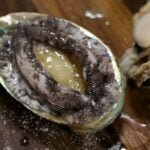
Abalones (jeonbok) are marine snails. The shells of abalones are low and flat, and inside is a thick layer of nacre (mother-of-pearl), which has been used in Korean lacquerware and furniture for centuries. The flesh is considered a delicacy in Korea, raw or cooked. Good quality, fresh live abalone can be expensive and hard to […]
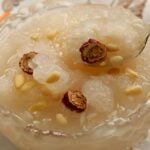
Sikhye (rice punch) is a traditional sweet Korean drink made of fermented malt and rice. As the rice ferments, the grains turn white and become spongy, releasing their starch into the liquid, which turns light amber. The punch is never fermented long enough to become alcoholic, and it’s often served as a dessert in Korean […]
This powder has a sweet, malty flavor and is an important ingredient for homemade gochujang and for sikhye. The enzyme amylase in barley malt powder converts the starch in rice into sugar at warm temperatures in water. Look for it in the beans and grains section in Korean grocery stores.
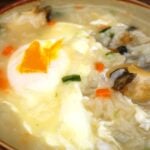
Teeokguk (rice cake soup) is a delicious, light but filling soup made of disc-shaped rice cakes in a clearish, milky broth. Koreans traditionally eat it first thing on New Years Day (Jan 1st) and on Seollal (Korean New Year’s Day) for good luck in the coming year!
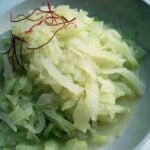
Ingredients 1 medium size Korean radish, kosher salt, garlic, toasted sesame oil, vegetable oil, shredded red pepper (silgochu). Cut radish into thin strips. Make about 5-6 cups. Heat up a pan and add the radish strips, 1tbs vegetable oil, 1 ts kosher salt, and 1 clove of minced garlic. Sauté for a few minutes. Add […]
These oval, thinly sliced rice cake disks are sold in plastic bags in the refrigerated section or sometimes in vacuum-sealed packages in the frozen section of Korean markets, , or you can make your own at home. They are essential for making rice cake soup. Store in the freezer for up to 3 months. I […]