Smaller and rounder than ordinary black beans, these are black soybeans. They have green kernels and were a real fad in Korea a few years ago, for their many health benefits. Look for them with the other dried beans and soybeans at Korean grocery stores.
A few months ago, one of my readers on Facebook told me that I shouldn’t miss the Korean exhibit at the Philadelphia Museum of Art. I have some friends who live in Philadelphia, so I figured that going on Memorial Day weekend would be a good chance to take a break from finishing my upcoming […]
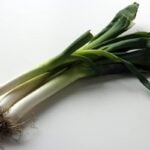
Korean dae-pa are larger than the green onions you are used to. They resemble thin leeks, except their green leaves are hollow and slightly slimy inside, like a scallion. In Korean cuisine, they’re used in soups and stews because they have a mild, sweet, rich flavor. They are easily found in in Korean grocery stores. […]
Bellflowers grow wild in the mountains and fields of Korea, although they are also cultivated these days. The root looks similar to ginseng root and tastes bitter with strong ginseng-like smell. They have a lot of uses in Korean cuisine and are also used as medicine. You can find them in a Korean grocery store. […]
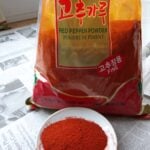
Hot pepper powder is made from finely ground dried hot peppers and is used to make Korean gochujang (hot pepper paste). It’ll give your gochujang a nice silky texture.
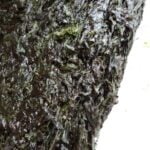
This particular type of dried seaweed sheets (kim) is called doljaban in Korean. The taste, flavor, and the texture are very similar to kim, but doljaban is usually bigger and thicker and not as finely ground or processed.
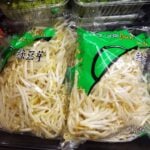
Mung bean sprouts add refreshing crispness and sweetness to dishes. They can be found in most supermarkets these days. Choose sprouts with the plumpest, whitest stems. It’s best to use them right after buying them, but you can also refrigerate them for a couple of days. Wash just before using. You can also grow your […]