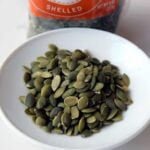
A late-fall delicacy, ginkgo nuts enrich and garnish sweet and savory dishes. I usually buy them shelled since they are too easily crushed when you shell them yourself. When cooked, ginkgo nuts turn a beautiful jade color. You’ll find them in the refrigerated produce section in season or in the freezer section of Korean grocery […]
You’ll need this starter culture to make makgeolli (Korean rice liquor, or 막걸리). It’s made from a dough made of coarsely-ground grain and water naturally inoculated with bacteria, fungi, yeast, and lactic acid bacteria. It jump-starts the fermentation process and helps you make a delicious fermented beverage. It’s available in Korean grocery stores, usually on the […]
This canned mackerel is often used as an easy addition to kimchi stew, or made into a quick dish by cooking it with onion, garlic, and spicy seasonings and serving with rice.
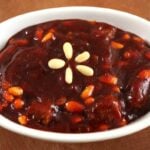
If you’re a fan of Korean gochujang, the spicy, sweet, savory, pungent paste that’s used so often in Korean cooking, you’re going to love yak-gochujang. It’s gochujang fried with beef, honey, sesame oil and pine nuts, and will totally knock your socks off! Yak-gochujang looks simple, but it’s a very special dish. “Yak” means medicine […]
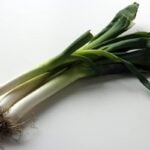
Korean dae-pa are larger than the green onions you are used to. They resemble thin leeks, except their green leaves are hollow and slightly slimy inside, like a scallion. In Korean cuisine, they’re used in soups and stews because they have a mild, sweet, rich flavor. They are easily found in in Korean grocery stores. […]
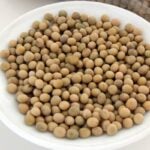
Soybeans for sprouting will grow into delicious kongnamul if handled correctly. Be sure you buy the right beans – they are smaller than usual soybeans, which don’t sprout very well. soybeans for sprouting (L) and usual soybeans (R)
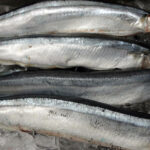
Canned saury is readily available in Korean grocery stores and is often braised with seasonings and vegetables. Fresh saury, (kkongchi in Korean) is also called “mackerel pike” or “pike mackerel” in English. In Korean cuisine they’re often grilled, braised, or stewed.
Mugwort is best in the early spring, when it’s young and soft. By May it’s usually too tough to use for cooking, although Koreans use it as a home remedy to staunch bleeding and to settle stomachs, among other things. It grows wild and is very resiliant – if you find it once, you can […]
This yeast converts sugar or starch into alcohol and carbon dioxide, so it will make your dough rise or give your brewing a boost! The yeast is alive but inactive because it’s dried out. Once water is added, it starts to work. Buy in any grocery or baking supply store, and store in a cool, […]
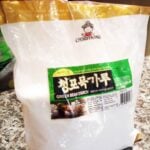
Sometimes incorrectly labeled as mung bean flour (probably because mung beans look like green beans when they’re in the pod), this is a finegrained starch extracted from mung beans. It is used to make noodles and side dishes. With one small package, you can make a huge amount of jelly. Use what you need, then […]