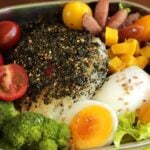
Hello everybody! Let’s learn how to make jumeokbap today! Jumeok literally means ‘fist’ and bap means ‘cooked rice,’ so jumeokbap is the Korean word for any kind of dish that consists of hand-shaped rice balls, no matter the size, ingredients, or seasonings used. There are many kinds of jumokbap (just like there are many kinds of gimbap – seaweed […]
See the recommendations here! Over the years of running my website, many of my readers have let me know that they love making Korean food but they have a problem finding Korean ingredients where they live. That’s the main reason I started my Korean grocery store section, so we can help each other find Korean grocery stores […]
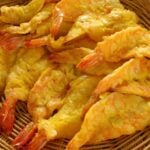
Do you like shrimp? I think pretty much all seafood lovers will accept a shrimp, if offered. Korean cuisine has many recipes that use shrimp, and I love them all, but today I’m going to show you how to make shrimp pancakes (saeujeon: saeu means shrimp and jeon means pancake) from jumbo shrimp. Yes, I said jumbo […]
Hello my cookbook purchasers! Have you enjoyed some recipes from my cookbook? Yes! I know many of you have already made delicious dishes from the cookbook! I’m very excited whenever I get messages from you guys about it, or see your photos on Facebook, Twitter, Instagram, and your own blogs. I wanted to make a […]
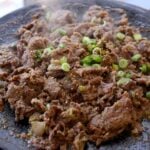
Hi everybody, I’m so excited today because there’s an article in The New York Times about me, on the front page of the Food section! A couple weeks ago Julia Moskin from The New York Times came to my house to film a video where I show her how to cook bulgogi. Of course I […]
Brown sweet rice is a type of short grain sweet rice, and has more starch and is much stickier than usual short grain rice. This is why it’s also called “brown glutinous rice”, because it’s like glue, not because it has gluten. It tastes chewy and earthy when cooked, and is great for mixing with other […]
Today I’m going to show you how to make makgeolli, a traditional Korean alcoholic beverage made by combining rice, yeast, and water with a starter culture called nuruk. It’s milky-white, fizzy and refreshing. It’s also called “nongju” which means “farmer liquor” because it’s made with a lot of rice, it’s full of carbohydrates and was […]
You can get easily find these frozen oysters in the freezer section of a Korean grocery store. These shucked frozen oysters can be eaten raw because they were flash frozen. If I use them in my kimchi, I don’t even need to thaw them out. I just rinse and drain them, and then chop them and add […]