Since I discovered this the electric dehydrator on my first trip to the U.S., I’ve used to make all kinds of Korean food that is typically air-dried, which is impossible to do in my apartment. Without it, you can dry things in a sunny, breezy spot outside near your house, but using this dehydrator is […]
This special pan is specifically for making Korean fish-shaped bread with red bean fillings (bungeoppang). These pans can be hard to find. You can buy them on Amazon, but they are a little expensive there. I bought mine in Los Angeles for $17 at ABC Plaza (on the top floor of Koreatown plaza), and I […]
This is a specialized kind of pan that many Korean dakgalbi restaurants use. It’s wide and flat and perfect for making dakgalbi for a small group of people. It can be hard to find outside of Korea, and I bought this one in Lotte Kitchen World in Los Angeles, a restaurant supply store. It’s nice […]
I bought this small mortar and pestle at a Korean grocery store. It’s made of plastic and lightweight. I used these to pound rice cakes in my injeolmi video. This mortar is made of stone and the pestle is made of wood. I use them for tougher jobs. It’s still small so I can keep […]
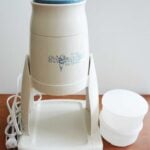
I bought an ice shaver to make the Korean summer dessert, patbingsu (shaved ice with sweet red bean and fruit). The 2 small containers come with the shaver and each holds about 1 cup water. Fill up the containers with water or your favorite fruit juice and then shave it in the electric shaver and […]
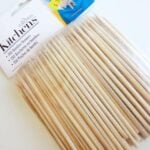
I use these skewers for all kinds of things. You saw them in my videos for skewered pancakes like pasanjeok, and long ones in my video for fish cake soup.
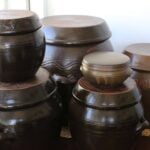
These traditional Korean earthenware crocks can be used for making and preserving many things: soybean paste, soy sauce, hot pepper paste, fermented salty fish, makgeolli, and of course kimchi. They’re made from clay, and when fired leave microscopic holes that allow them to breathe, which makes them great for fermentation. These crocks are called “onggi” which means “Korean earthenware” […]
This bowl is carved out of stone and is great for making soup, stew (jjigae), or even rice. You can put directly on the stove or over an open flame and boil anything for a long time over high heat. And when you remove it from the heat, the heat in the stone will continue to […]
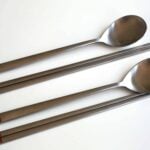
Koreans use chopsticks to eat the side dishes served with rice and soup. Korean chopsticks are made of metal, and are thin, flat, and squared off at the end. They are heavier and thinner than wooden and bamboo chopsticks and shorter than most Chinese chopsticks. A long time ago we used to use brass or […]
This pot is very thin and light, and whatever is inside cooks very quickly. We use this for things that shouldn’t be cooked a long time, like ramyeon. And when eating ramyeon we often use the lid as a makeshift plate, so as not to drip any broth on our clothes while we slurp the […]
This is a mold to make a special kind of rice roll called samgak-gimbap. It’s a specialized tool with only one use but it’s not too expensive, just a few dollars. You can find them in Korean or Japanese grocery stores where they are sometimes they are sold in little kits, and include the gim (seaweed sheets) you […]
You can make all the delicious rice you need in a simple pot on a stovetop, or any source of heat, including a fire. I do it all the time. But an electric rice cooker useful to have and convenient and I use mine all the time. You can turn it on and do other […]
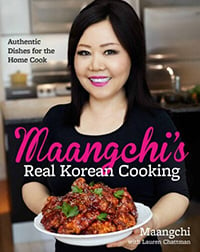
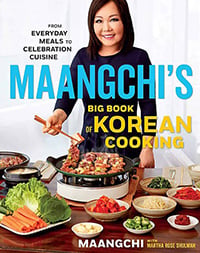
Which to get? Both are best sellers and either one is a good choice if you want to learn Korean home cooking. Maangchi's Real Korean Cooking has all the recipes for all the essential Korean pastes and sauces, but my second book Maangchi's Big Book of Korean Cooking has more recipes, more photos, and more variety.