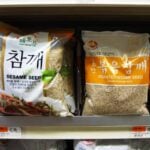
Toasted sesame seeds add a nutty dimension and a little crunch to many dishes. I usually sprinkle black sesame seeds on white fluffy rice in lunchboxes (dosirak) for contrast and flavor. Always choose the seeds with the latest expiration date. Keep some in a glass container or jar in a cool, dry place and the […]
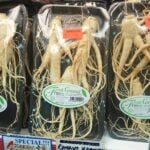
The fleshy root of a slow-growing perennial plant, ginseng is both a food and one of the world’s oldest and most popular herbal medicines. Koreans love ginseng for its health-giving properties and we use it sparingly, because it’s usually quite expensive. Find it in the refrigerated produce section of Korean grocery stores, and choose roots […]
Despite its name, this rice is not sweet at all. It’s much stickier than usual short grain rice, which is why it’s also called “glutinous rice” – because it’s like glue, not because it contains gluten. Store in a cool, dry spot in an airtight container. Look for it with other rices at Korean grocery […]
Toasted sesame seeds add a bright nutty flavor to many dishes in Korean cuisine. You can get pre-toasted sesame seeds in a Korean grocery store or buy dried raw sesame seeds (cham-kkae: 참깨) and toast them at home. Even if you buy pre-toasted seeds in the store, you can give them a quick toasting at home […]
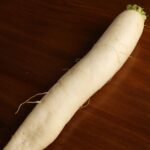
This mild radish can be a substitute for Korean radish when it’s not available. Korean radish is shorter, fatter, heavier, firmer, and a little sweeter.
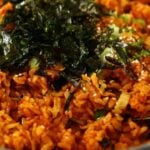
This simple, simple stir fried dish of rice and kimchi is super, super tasty. It’s just a few ingredients and made very quickly, but it’s a dish much loved by Koreans and a part of our everyday lives. Everybody loves kimchi fried rice!
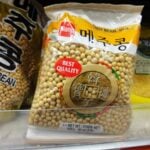
Dried yellow soybeans are widely used in Korean cuisine. They are the main ingredient for doenjang and extra-strong fermented soybean paste. Look for them at Korean or Chinese grocery stores. You’ll see a difference between the soybeans on the left and ones on the right. The larger soybeans on the left are mejukong, used to […]
Barley is a nutty grain that Koreans have been using for centuries. We usually mix it with rice or make tea from it. Recipe for barley rice: Ingredients: 1 cup of uncooked rice, 1 cup of barley and 2½ cups of water Directions: Combine rice and barley to a thick pot and wash and drain […]
This dried edible seaweed (also called sea mustard, or Wakame in Japanese) is incredibly nutritious and packed full of vitamins and iodine. It’s a key ingredient in seaweed soup (miyeok-guk). It’s sold dried, and when rehydrated it expands quite a bit! Find it in Korean and Japanese grocery stores or natural foods stores.
Dried shiitake mushrooms have an intense savory flavor and a delightful chewy texture when soaked, so they add a boost of flavor to many Korean banchan and soups and are a key ingredient in making my vegetable stock delicious. They are easy to find in Asian markets and many supermarkets. Choose mushrooms with thick, sturdy tops […]
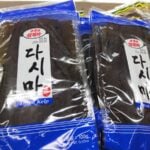
Dried kelp, or dasima in Korean, or kombu in Japanese, is a very important ingredient in the base broth of many Korean recipes, giving the broth a delicious umami flavor. Kelp is sold in huge sheets in many Asian markets, as well as most whole-foods stores. Choose the thickest you can find. Store in a […]
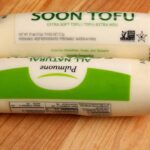
Usually sold in plastic tubes, this soft, white, creamy tofu is the essential ingredient in soondubu jjigae (spicy soft tofu stew). It’s sold in Korean and Chinese grocery stores; check the expiration date, since it is very perishable, and store in the refrigerator if not using immediately. You can substitute silken tofu, which is very […]