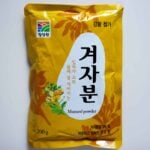
Ground Korean mustard seeds have a bright yellow color that I love. The powder has a flavor similar to regular English powdered mustard, which you can substitute. You can find this in Korean grocery stores.
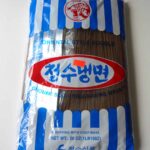
These dried brown noodles are made from buckwheat and sweet potato starch and wheat flour, and are essential for making naengmyeon (cold noodle soup). Japanese soba noodles are also made of buckwheat, but are not nearly as chewy or elastic as these, so it’s worth getting the right noodles if you want to make real […]
Yeolmu mul kimchi is usually eaten in summer in Korea. Making bibimbap with barley rice, doenjang jjigae, yeolmu kimchi, hot pepper paste and toasted sesame oil is one of the most popular and delicious dinners for hot summer. My mouth is watering while writing this explanation! Ingredients 4 pounds of yeolmu (young summer radish), kosher […]
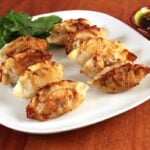
This recipe is for traditional, classic Korean dumplings, which everyone loves! This is my original mandu recipe for pork, beef, and chive dumplings that I posted on May 3, 2008. It shows you how to make dumplings and then fry them or make soup from them. Since then I’ve posted more thorough and better mandu […]
These small, round wheat-flour wrappers are used to make steamed dumplings. Large skins are 4½ inches wide and medium are 3½ inches. Defrost overnight in the refrigerator or on the kitchen counter before using. The English on the package might read “dumpling wrappers” or “egg roll wraps” but in Korean it says 만두피 (“mandu skins”). […]
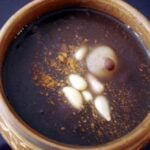
Yield: 4 -5 servings Ingredients 4-5 dried persimmons 5 cinnamon sticks ½ cup of ginger, sliced 1 cup of sugar pine nuts 7½ to 8 cups of water Directions Wash, peel, and slice ½ cup’s worth of ginger. Put it into a pot or kettle. Rinse 5 cinnamon sticks and put them into the pot. Add […]
Dried persimmons are sweet and chewy like jelly candies. In Korea the fresh fruit is harvested in the fall, tied with string, and hung to air-dry. A whitish bloom on their surface indicates that they are dry and sweet. Besides cooking with them, you can eat them by themselves as a snack. They are a […]
Pine nuts are used to garnish many Korean dishes and desserts. They are smaller and nuttier tasting than those available in American groceries and are considered precious (and thus are usually pricey). They are often sold in transparent packaging. Choose pine nuts that have no spots of discoloration and no variation in color from nut […]
These long, thick, white-stemmed mushrooms have a wonderfully meaty texture. Found in the refrigerated produce section, they are common in stir-fries and pan-fries. Choose mushrooms with thick, white stems and no blemishes.
This gamja-bokkeum (stir-fried potato side dish) used to be on my regular lunch box menu. My mother sometimes added small dried anchovies and carrot, and sometimes she added ham cut into dice like potato. I used to make this all the time as my children’s lunch boxes, too. The other recipe in this video is […]
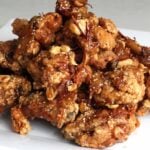
Dakgangjung is a very popular traditional Korean dish and is usually made with chunks of chicken from a whole chicken. I’m using chicken wings in this recipe, but you could use chunks. Each piece of chicken wing is coated with sweet and crispy sauce. Of the ingredients, thinly sliced ginger will turn into something like candy […]
Ingredients red bean paste, sweet rice flour, boiling water, sugar, pine nuts, cinnamon powder. Directions In a pot, place 1 cup of washed red beans and 4 cups of water and heat it over high heat for 10 minutes. Lower the heat to low medium and simmer for 50 minutes. Check if the beans are […]
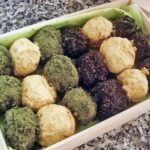
Rice cake is very familiar food for Koreans. Whenever special occasions come, the first thing my mother and grand mother planned was to make rice cake. However these days people are more likely to buy rice cake than make their own. I am going to make gyeongdan, rice cake balls and show you it can […]