Wood ear mushrooms are used for some Chinese dishes which are popular in Korea, so you can usually find them in Chinese as well as Korean markets. Soak them in warm water for an hour before using them. They have a chewy texture and savory flavor when rehydrated. Keep in a cool, dry place. Fresh […]
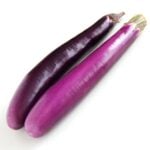
Korean eggplants are long, thin, and light to dark purple. Their skin is thin and their texture softer and less spongy than Western globeshaped eggplants. They also have a sweeter, milder flavor. You can find them at many Asian markets and also at some farmers’ markets and regular supermarkets. Ordinary eggplant can be substituted.
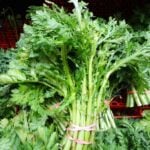
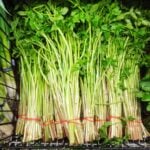
Minari has crisp stems, leafy tops and an herbal flavor. It tastes a little like parsley. It’s sold in the vegetable section of Korean grocery stores. Choose minari with plump stems and leaves that are fresh looking and green, not brownish at all. Fresh minari is not always available, so when I see it, I […]
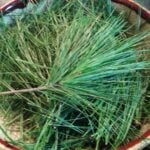
Korean cuisine has a strong tradition of foraging, and for some recipes we use pine needles for flavor and aroma. You can use whatever is available to you, where ever you can find it. I got mine in Central Park!
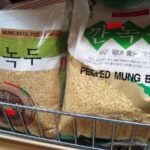
These split yellow beans, which are the size of lentils, have had their outer skins removed. Once the green skin of mung beans are removed, they reveal the wonderfully yellow bean underneath. Look for them in the dried beans and grains section of Korean grocery stores, natural foods stores, and large supermarkets.
There are many different kinds of rice flour (Ssalgaru) but short grain rice flour (Mepssalgaru) is made with short grain rice and is used to make fluffy rice cakes like Mujigaeddeok (rainbow rice cake), among other things. You can find this in the frozen section of a Korean grocery store. It’s sold frozen so that it’ll retain its […]
I always have this starch extracted from potatoes on hand because it’s essential for achieving the supreme crunchiness for fried dishes like Korean fried chicken. I also use it as a thickener. I’ve never found any potato starch that worked better than Korean brands for this purpose. Seal the package well and store in a […]
You can find this flying fish roe in Asian grocery stores, sold in many colors. It’s fermented in a sweet and salty marinade that also includes MSG, so I usually wash it in running water and freshen it up with some lemon before using it.
A variety of salted and fermented seafood (jeotgal) is used in Korean cuisine, and salted fermented shrimp is a common and versatile ingredient. It has a deep flavor, so it’s used to season many Korean dishes in place of salt. Many Koreans include salted fermented shrimp in their kimchi paste when making kimchi. Buy it […]
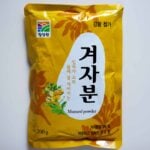
Ground Korean mustard seeds have a bright yellow color that I love. The powder has a flavor similar to regular English powdered mustard, which you can substitute. You can find this in Korean grocery stores.
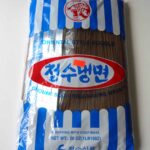
These dried brown noodles are made from buckwheat and sweet potato starch and wheat flour, and are essential for making naengmyeon (cold noodle soup). Japanese soba noodles are also made of buckwheat, but are not nearly as chewy or elastic as these, so it’s worth getting the right noodles if you want to make real […]
These small, round wheat-flour wrappers are used to make steamed dumplings. Large skins are 4½ inches wide and medium are 3½ inches. Defrost overnight in the refrigerator or on the kitchen counter before using. The English on the package might read “dumpling wrappers” or “egg roll wraps” but in Korean it says 만두피 (“mandu skins”). […]