Dried persimmons are sweet and chewy like jelly candies. In Korea the fresh fruit is harvested in the fall, tied with string, and hung to air-dry. A whitish bloom on their surface indicates that they are dry and sweet. Besides cooking with them, you can eat them by themselves as a snack. They are a […]
Pine nuts are used to garnish many Korean dishes and desserts. They are smaller and nuttier tasting than those available in American groceries and are considered precious (and thus are usually pricey). They are often sold in transparent packaging. Choose pine nuts that have no spots of discoloration and no variation in color from nut […]
These long, thick, white-stemmed mushrooms have a wonderfully meaty texture. Found in the refrigerated produce section, they are common in stir-fries and pan-fries. Choose mushrooms with thick, white stems and no blemishes.
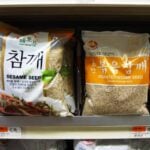
Toasted sesame seeds add a nutty dimension and a little crunch to many dishes. I usually sprinkle black sesame seeds on white fluffy rice in lunchboxes (dosirak) for contrast and flavor. Always choose the seeds with the latest expiration date. Keep some in a glass container or jar in a cool, dry place and the […]
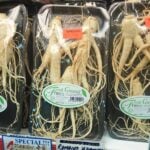
The fleshy root of a slow-growing perennial plant, ginseng is both a food and one of the world’s oldest and most popular herbal medicines. Koreans love ginseng for its health-giving properties and we use it sparingly, because it’s usually quite expensive. Find it in the refrigerated produce section of Korean grocery stores, and choose roots […]
Despite its name, this rice is not sweet at all. It’s much stickier than usual short grain rice, which is why it’s also called “glutinous rice” – because it’s like glue, not because it contains gluten. Store in a cool, dry spot in an airtight container. Look for it with other rices at Korean grocery […]
Toasted sesame seeds add a bright nutty flavor to many dishes in Korean cuisine. You can get pre-toasted sesame seeds in a Korean grocery store or buy dried raw sesame seeds (cham-kkae: 참깨) and toast them at home. Even if you buy pre-toasted seeds in the store, you can give them a quick toasting at home […]
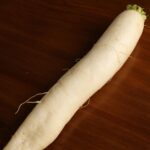
This mild radish can be a substitute for Korean radish when it’s not available. Korean radish is shorter, fatter, heavier, firmer, and a little sweeter.
Corn syrup (mul-yeot) is used in Korean cuisine as a sweetener. Yeot is a kind of traditional Korean candy, so the word mulyeot can be translated as “sweet liquid candy.” It’s sold in Korean grocery stores, and also in non-Korean grocery stores too, as corn syrup (without the Korean writing!). Clear mulyeot is made from […]