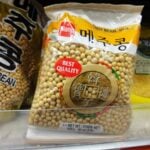
Dried yellow soybeans are widely used in Korean cuisine. They are the main ingredient for doenjang and extra-strong fermented soybean paste. Look for them at Korean or Chinese grocery stores. You’ll see a difference between the soybeans on the left and ones on the right. The larger soybeans on the left are mejukong, used to […]
Barley is a nutty grain that Koreans have been using for centuries. We usually mix it with rice or make tea from it. Recipe for barley rice: Ingredients: 1 cup of uncooked rice, 1 cup of barley and 2½ cups of water Directions: Combine rice and barley to a thick pot and wash and drain […]
This dried edible seaweed (also called sea mustard, or Wakame in Japanese) is incredibly nutritious and packed full of vitamins and iodine. It’s a key ingredient in seaweed soup (miyeok-guk). It’s sold dried, and when rehydrated it expands quite a bit! Find it in Korean and Japanese grocery stores or natural foods stores.
Dried shiitake mushrooms have an intense savory flavor and a delightful chewy texture when soaked, so they add a boost of flavor to many Korean banchan and soups and are a key ingredient in making my vegetable stock delicious. They are easy to find in Asian markets and many supermarkets. Choose mushrooms with thick, sturdy tops […]
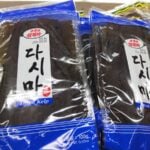
Dried kelp, or dasima in Korean, or kombu in Japanese, is a very important ingredient in the base broth of many Korean recipes, giving the broth a delicious umami flavor. Kelp is sold in huge sheets in many Asian markets, as well as most whole-foods stores. Choose the thickest you can find. Store in a […]
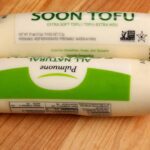
Usually sold in plastic tubes, this soft, white, creamy tofu is the essential ingredient in soondubu jjigae (spicy soft tofu stew). It’s sold in Korean and Chinese grocery stores; check the expiration date, since it is very perishable, and store in the refrigerator if not using immediately. You can substitute silken tofu, which is very […]
Gim is made from seaweed that’s been chopped and dried into thin sheets. It’s delicious as a light, healthy snack, and for wrapping with rice and vegetables. Pressed seaweed paper is used in gimbap (rice rolls), for snacks, to garnish soups, stews, and other dishes, or just oiled, salted, and toasted to make a side […]
I grew up in a harbor city , so I love seafood and know how to make a lot of different things with squid: soups, stews, steamed dishes, a fermented squid called ojingeojeot, and hot & spicy stir fried squid. Always buy fresh squids instead of frozen if you can. They are almost always sold […]
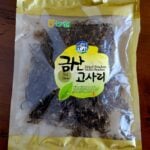
Springtime in Korea, people forage gosari from the mountains. At that time it’s green and fresh, so it can be eaten right away. They blanch and cook it, and they dry it until it’s brown and thin as thread, and then store it for a full year until the next spring, when they can gather more. These […]
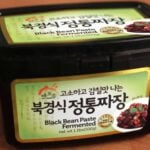
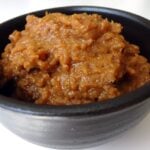
Black, salty, slightly sweet, and earthy, this paste is made with a mixture of soybeans, flour, and caramel and then fermented. It’s essential for making jjajangmyeon (Noodles and black bean sauce). After opening, store in the refrigerator for up to 3 months. This is Haechandeul brand, which is what I usually get unless something else is on […]
These rice cakes are made with short-grain rice flour and pressed into cylinders. Thaw them in the refrigerator overnight and cut them into bite-size pieces. Some Korean grocery stores sell them freshly made, or you can make your own with my recipe.
Doenjang is a signature ingredient in Korean cooking, used in many dishes, dips, soups and stews in Korean cuisine. It’s deep and rich, nutty and full of umami. Soup or stew made with doenjang are the most iconic and delicious of all Korean dishes. Today most Koreans use commercially made soybean paste (it may or may […]
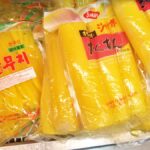
Danmuji (yellow pickled radish) is a very important ingredient for gimbap; I never make gimbap without it! It tastes sweet and sour and has a really nice, crispy texture. Look for it in the refrigerated section of Korean and Japanese grocery stores. It’s sold in airtight plastic packages, either cut into strips or whole, with […]
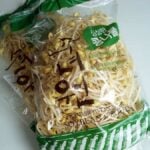
Sprouted yellow soybeans may be the most popular vegetable in Korea. They are sold in packages alongside the other fresh vegetables at Korean grocery stores, or you can grow your own at home. The sprouts always need to be cooked because they smell fishy when raw. When cooked, they become crisp, sweet and nutty. They […]
Good fish sauce is savory, salty, a little sweet, and full of umami. It’s an essential ingredient for many Korean dishes and a substitute for soup soy sauce in many of my recipes. If you watch my videos you’ll see that I always use 3 Crabs brand fish sauce. It’s not made in Korea, but it is […]