These noodles are made from sweet potato starch and are nearly transparent after they’ve been cooked. They’re essential for making japchae. In a pinch you can substitute with cellophane noodles (a.k.a. “glass noodles”) or Chinese vermicelli, which are similar but made with mung bean starch. Look for them in Korean grocery stores. Seal the package […]
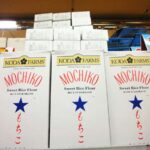
Also called “glutinous rice flour,” this flour is actually gluten-free. It’s made with glutinous rice, which got it’s name because it’s so sticky, or glue-like. It’s used to make sticky rice cakes like gyeongdan, and I also use it in the porridge I make for kimchi, so the porridge sticks to the cabbage leaves. The […]
Pork belly is the boneless cut of fatty meat from the belly of a pig. Koreans love this cut of pork and it’s used often in Korean cuisine. The Korean name – samgyeopsal – literally translated means “3 layers of flesh” and refers to the three layers of meat you can supposedly find in the […]
Good Korean radishes are firm and the skin is a little shiny, without any scratches. The tops are pale green halfway down and fade to cream. It’s a varietal of the Daikon radish but it’s it’s shorter, fatter, and heavier, the flesh denser and the leaves a lot smoother. Peak season is late fall. As […]
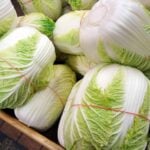
Napa cabbage is the main ingredient in traditional kimchi. You can find it in almost any grocery store and in farmers’ markets, although the cabbages sold at a Korean grocery store are always cheaper, bigger, and better tasting. In the kimchi-making season of late fall, when napa cabbages are at their best, Korean grocery stores sell […]
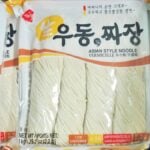
Often mislabeled as Asian or oriental-style noodles or vermicelli, these thick, chewy wheat noodles, used for jjajangmyeon (Noodles with black bean paste), are sold frozen in Korean grocery stores. Thaw them out if you’re going to use them right away, otherwise store them in your freezer in a ziplock bag and thaw them out a […]
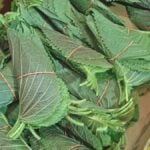
Fresh green perilla leaves are popular in Korean cuisine. Their flavor is somewhere between that of basil and mint. We use them whole in ssam wraps and barbecue, or shredded to add a bit of minty flavor to many other dishes. We also pickle them and make perilla kimchi with them. Perilla leaves are often […]
These are green chili peppers that have ripened. They are tangier, a little sweeter, and a little less spicy. We use them in the garnishes of many sidedishes (banchan). You can substitute chopped or shredded red bell pepper.
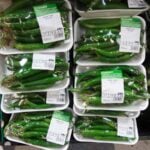
There are many kinds of green chili peppers in Korea, some spicy and some not, and the Korean word cheong-gochu includes all of them. They are usually 3 to 4 inches long and look like long jalapeños, but they are pointier. They have a sweet flavor, and their spiciness can range from very mild (asagi […]
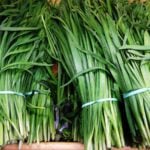
These tender shoots are sold fresh in Korean grocery stores. They have a bit of a garlicky kick and add flavor and color to many dishes in Korean cuisine. Scallions are an acceptable substitute, or the green part of green onions, or even spinach. They dry out and go bad easily, so once I bring […]
This fermented staple ingredient adds spiciness, color, and sweetness to many Korean dishes. It’s sometimes labeled as “red pepper paste” in English on the package. Most people buy it in a Korean grocery store, but in Korea it was traditionally homemade (my recipe is here). Homemade gochujang has a rich complex flavor that’s much deeper […]
Sundubu-jjigae is a spicy, seasoned stew made with silky soft tofu called sundubu. Served bubbling hot at the table in its traditional earthenware bowl, it’s impossible to resist! This seafood version is my all-time favorite sundubu.
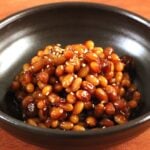
Kongjang (or kongjorim) is made with dried soybeans and Koreans eat it as a side dish for any meal. It’s sweet, chewy and sticky. Ingredients 1 cup dried soy beans ½ cup soy sauce, 1 teaspoon vegetable oil, 2 cloves of minced garlic ⅓ cup of sugar 2 teaspoons toasted sesame seeds. Directions Rinse the soy beans in […]
Dried squid was one of my all-time favorite snacks when I was young. I still love it and if I don’t eat it for a while, I get cravings. I always keep a few dried squids on hand in my freezer. Then I can just take one out whenever I want it, toast it on the […]