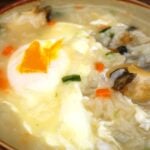
Abalone porridge (jeonbokjuk) is known as the “king of porridges” in Korea. Not only is it creamy, savory, delicious, hearty, and satisfying, but because they live on the rocks on the bottom of the ocean, abalones are incredibly lean and have almost no fat. They are full of good minerals and vitamins, too. It’s hard to beat […]
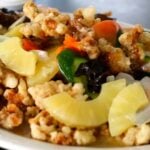
If you’re going to have a party or get-together with your friends, one dish you can serve that almost everyone loves is Chinese sweet and sour pork. Koreans have their own Chinese-Korean variation of it called tangsuyuk. It’s crunchy pieces of fried pork coated in a jelly-like sweet and sour sauce filled with colorful fruits and […]
Today’s recipe is for hobakjuk, pumpkin porridge. Sweet, smooth, and comforting, with chewy rice cake balls. Hobakjuk is very popular in Korea in the late fall and winter, and my version is a bit of an upscale version because I stuff some of the rice cake balls with pine nuts and I make a pretty […]
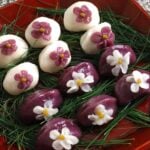
This recipe is a very special one, made for a very special occasion in Korean culture. It’s rice cake called songpyeon, which Koreans make for Chuseok, the Korean harvest moon festival (although you can also make them any time you want). The cakes are a little sweet, chewy, and nutty, with a subtle pine tree flavor. They take some time and effort to make but are totally worth it, and not to mention colorfully beautiful!
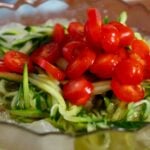
Are you looking for something refreshing, light, healthy, and cold cold cold? This is it! These cool cucumber matchsticks in an icy, garlicky, sweet, sour, and salty brine are just the thing.
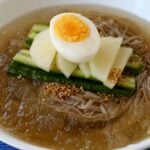
Today I’m going to show you how to make a spicy Korean icy cold noodle dish called bibim-naengmyeon. Unlike mul-naengmyeon (물냉면) it’s not very brothy, but it’s still ice cold and made with a slightly sweet, vinegary, spicy sauce as well as some cucumber and pear. When you eat it, the first thing you need to do […]
Korean icy cold noodles are so savory and refreshing, they are an awesome way to cool down in the summer but I eat them all year round. Why? Because I love the tangy, savory, and a little sweet taste of the broth, and the noodles are soft but chewy at the same time. How is it possible? : )
This recipe is for traditional, classic Korean dumplings, which everyone loves! This is my original mandu recipe for pork, beef, and chive dumplings that I posted on May 3, 2008. It shows you how to make dumplings and then fry them or make soup from them. Since then I’ve posted more thorough and better mandu […]
Yield: 4 -5 servings Ingredients 4-5 dried persimmons 5 cinnamon sticks ½ cup of ginger, sliced 1 cup of sugar pine nuts 7½ to 8 cups of water Directions Wash, peel, and slice ½ cup’s worth of ginger. Put it into a pot or kettle. Rinse 5 cinnamon sticks and put them into the pot. Add […]
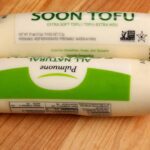
Usually sold in plastic tubes, this soft, white, creamy tofu is the essential ingredient in soondubu jjigae (spicy soft tofu stew). It’s sold in Korean and Chinese grocery stores; check the expiration date, since it is very perishable, and store in the refrigerator if not using immediately. You can substitute silken tofu, which is very […]
Good fish sauce is savory, salty, a little sweet, and full of umami. It’s an essential ingredient for many Korean dishes and a substitute for soup soy sauce in many of my recipes. If you watch my videos you’ll see that I always use 3 Crabs brand fish sauce. It’s not made in Korea, but it is […]
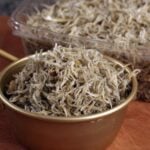
Dried anchovies are sold in plastic bags or boxes, sorted by size. Smaller anchovies (mareun janmyeolchi 마른 잔멸치) are used in stir-fries and toasted whole with soy sauce and chili paste to serve, bones and all, as a side dish with rice or as a snack. Large anchovies (gukmulyong mareunmyeolchi 국물용 마른멸치), around 3½ inches […]
These noodles are made from sweet potato starch and are nearly transparent after they’ve been cooked. They’re essential for making japchae. In a pinch you can substitute with cellophane noodles (a.k.a. “glass noodles”) or Chinese vermicelli, which are similar but made with mung bean starch. Look for them in Korean grocery stores. Seal the package […]
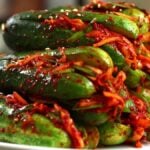
Cucumber kimchi (oi-sobagi or oi kimchi) is made by turning a cucumber into a pocket and stuffing it with vegetables and kimchi paste. It’s delicious and refreshing and it’s a great quick cucumber kimchi recipe to make when cucumbers are in season and you don’t feel like waiting for your kimchi to ferment. You can […]
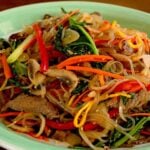
Japchae, sweet potato starch noodles stir fried with vegetables and meat, is one of Korea’s best-loved dishes, and one of the most popular on my website as well. If anyone asks me to recommend a good potluck dish, I don’t hesitate to recommend japchae because everyone loves it!