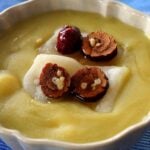
Are you interested in cooking something light, healthy, gorgeous and delicious? Then this is the recipe I recommend! It will be a perfect for brunch on a weekend. It’s bean porridge, called kongjuk (콩죽) in Korean. Porridge (juk) is loved by Koreans for its soft texture, lightness, nutrition, and its ease of digestion. Today’s recipe […]
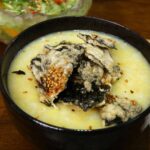
Today let’s make an easy, delicious, hearty and super-nutritious recipe for mung bean porridge called nokdu-juk (녹두죽)! The mild, smooth, and soft porridge is not only comforting but also nutty and filling. Korean cuisine has a lot of different kind of porridges (in Korean:죽 juk), and I showed you many of them already. Nokdu-juk is […]
Maesil extract (Maesil-cheong) is used widely in traditional Korean cuisine as a sweetener. It’s made from maesil (aka green plums) and makes many dishes much more delicious than if you just used sugar. The result is more flavorful, fragrant, fresh, and complex. Maesil is also known to be really good for you, and Koreans believe preparing food and […]
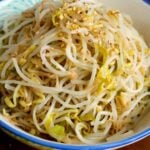
Today I’m going to make a mung bean sprout side dish with my homegrown mung bean sprouts. If you followed my directions and harvested your sprouts already, this is perfect timing for you and you’re ready to start! If you didn’t grow your sprouts, don’t worry, you can still buy them in a grocery store. They’re widely available […]
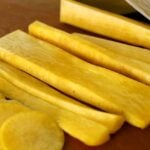
Today I’m going to show you how to make your own yellow pickled radish, called danmuji in Korean. It’s a crispy, tangy, refreshing side dish and an essential ingredient in gimbap, Korean seaweed rice rolls. I know that some of my regular readers and YouTube viewers have been waiting for this recipe for a while. Thank […]
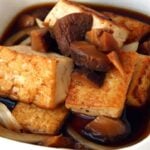
Hi everybody! I’m introducing another delicious tofu recipe to you today. It’s very juicy and delicious. I didn’t use any chili peppers or powder, so it will be a good side dish for children or those who can’t tolerate spicy food. Yes, I’m a spicy food lover! But I sometimes feel like eating something mild. […]
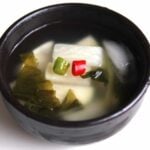
Dongchimi literally means “winter kimchi” because it’s traditionally made right before the cold winter starts in Korea. In late fall, we can find small, palm-sized radishes in the market, and we start thinking “Oh, it’s time to make dongchimi already!” The radishes harvested around that time of year are firm, crispy, and sweet. But these days […]
Hi everybody! I’m so excited to introduce you to a Korean dessert (or snack) called gotgamssam. You need only 2 ingredients: gotgam (dried persimmons) and hodu (walnuts)! I think this is a record for the fewest requirements needed to make one of my recipes. If someone asks me what else they need, I would say […]
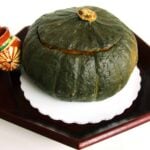
The Korean danhobak is a kind of winter squash, known by its Japanese name kabocha in English. In Korean, dan means “sweet,” and hobak means “pumpkin,” and bap means “rice,” so you could translate this dish as “sweet pumpkin rice.” A danhobak is very sweet and fluffy when cooked, so I often steam it and eat it by […]