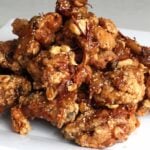
Dakgangjung is a very popular traditional Korean dish and is usually made with chunks of chicken from a whole chicken. I’m using chicken wings in this recipe, but you could use chunks. Each piece of chicken wing is coated with sweet and crispy sauce. Of the ingredients, thinly sliced ginger will turn into something like candy […]
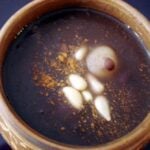
Ingredients red bean paste, sweet rice flour, boiling water, sugar, pine nuts, cinnamon powder. Directions In a pot, place 1 cup of washed red beans and 4 cups of water and heat it over high heat for 10 minutes. Lower the heat to low medium and simmer for 50 minutes. Check if the beans are […]
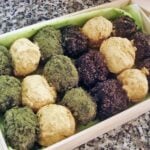
Rice cake is very familiar food for Koreans. Whenever special occasions come, the first thing my mother and grand mother planned was to make rice cake. However these days people are more likely to buy rice cake than make their own. I am going to make gyeongdan, rice cake balls and show you it can […]
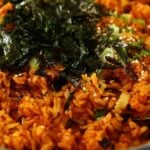
This simple, simple stir fried dish of rice and kimchi is super, super tasty. It’s just a few ingredients and made very quickly, but it’s a dish much loved by Koreans and a part of our everyday lives. Everybody loves kimchi fried rice!
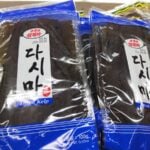
Dried kelp, or dasima in Korean, or kombu in Japanese, is a very important ingredient in the base broth of many Korean recipes, giving the broth a delicious umami flavor. Kelp is sold in huge sheets in many Asian markets, as well as most whole-foods stores. Choose the thickest you can find. Store in a […]
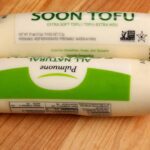
Usually sold in plastic tubes, this soft, white, creamy tofu is the essential ingredient in soondubu jjigae (spicy soft tofu stew). It’s sold in Korean and Chinese grocery stores; check the expiration date, since it is very perishable, and store in the refrigerator if not using immediately. You can substitute silken tofu, which is very […]
Good fish sauce is savory, salty, a little sweet, and full of umami. It’s an essential ingredient for many Korean dishes and a substitute for soup soy sauce in many of my recipes. If you watch my videos you’ll see that I always use 3 Crabs brand fish sauce. It’s not made in Korea, but it is […]
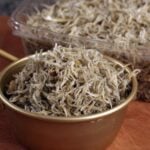
Dried anchovies are sold in plastic bags or boxes, sorted by size. Smaller anchovies (mareun janmyeolchi 마른 잔멸치) are used in stir-fries and toasted whole with soy sauce and chili paste to serve, bones and all, as a side dish with rice or as a snack. Large anchovies (gukmulyong mareunmyeolchi 국물용 마른멸치), around 3½ inches […]
These noodles are made from sweet potato starch and are nearly transparent after they’ve been cooked. They’re essential for making japchae. In a pinch you can substitute with cellophane noodles (a.k.a. “glass noodles”) or Chinese vermicelli, which are similar but made with mung bean starch. Look for them in Korean grocery stores. Seal the package […]
Sundubu-jjigae is a spicy, seasoned stew made with silky soft tofu called sundubu. Served bubbling hot at the table in its traditional earthenware bowl, it’s impossible to resist! This seafood version is my all-time favorite sundubu.
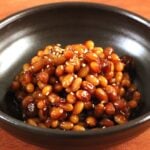
Kongjang (or kongjorim) is made with dried soybeans and Koreans eat it as a side dish for any meal. It’s sweet, chewy and sticky. Ingredients 1 cup dried soy beans ½ cup soy sauce, 1 teaspoon vegetable oil, 2 cloves of minced garlic ⅓ cup of sugar 2 teaspoons toasted sesame seeds. Directions Rinse the soy beans in […]
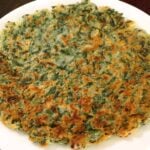
Whenever I go to a Korean grocery store, if I find a bunch of good quality chives, I always pick them up. What makes good quality chives? They should be dark green, fresh and not dried out, and without bruises! I have many recipes on my website that use chives: in mandu (dumplings), kimchi, and […]
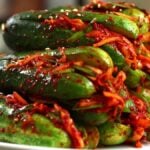
Cucumber kimchi (oi-sobagi or oi kimchi) is made by turning a cucumber into a pocket and stuffing it with vegetables and kimchi paste. It’s delicious and refreshing and it’s a great quick cucumber kimchi recipe to make when cucumbers are in season and you don’t feel like waiting for your kimchi to ferment. You can […]
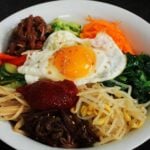
Today’s recipe is bibimbap, a super-popular Korean dish you might have heard about already! It’s a Korean rice bowl made with sautéed and seasoned vegetables (namul: 나물), a bit of hot pepper paste (gochujang: 고추장), and usually a bit of seasoned raw beef, too (yukhoe: 육회). Bibim (비빔) translates as “mixed,” and bap (밥) means […]
Miyeokguk is a soup made of edible seaweed and is traditionally eaten on birthdays or after giving birth, although you can eat anytime you like. Miyeok is rich in iodine, iron, and calcium and many people eat it to lower their cholesterol. This version of the soup is made with beef, which is the most […]