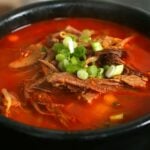
Smoky, spicy, meaty and rich, with healthy chunks of been and plenty of vegetables, all in a savory broth. Perfectly prepared, it’s better than anything in any restaurant.
A bowl of soup that features ginseng, garlic, jujubes, and a whole small chicken!? Koreans traditionally eat this on the hottest days of summer as a way to keep up their energy and to balance their body heat with the hot weather.
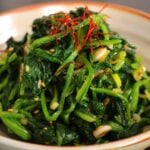
Sigeumchi-namul is a Korean side dish (banchan) made of blanched spinach seasoned with soy sauce, garlic, and toasted sesame oil. The spinach is only slightly cooked, leaving it a little crispy, but still soft and tasty. Because it’s so easy to make and so delicious, it’s a very popular and common side dish among Koreans. […]
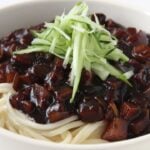
Jjajangmyeon is everybody’s favorite food. The almost caramel taste of the savory black bean sauce over the thick, chewy wheat flour noodles makes for a really unique taste and texture.
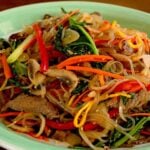
Japchae, sweet potato starch noodles stir fried with vegetables and meat, is one of Korea’s best-loved dishes, and one of the most popular on my website as well. If anyone asks me to recommend a good potluck dish, I don’t hesitate to recommend japchae because everyone loves it!
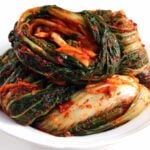
Kimchi is a staple of Korean life and many Koreans include it in their meals three times a day. You can eat it by itself, or use it in so many different Korean recipes. When Koreans make kimchi, they make an effort to make the best kimchi possible and include many regional ingredients. Today I […]
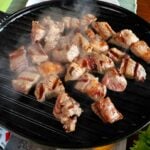
This recipe for grilled beef (soegogi-gui: 쇠고기구이) is Korean barbecue at its most essential! You probably experienced this kind of meal if you’ve ever been to a Korean barbecue restaurant. There is a blazing tabletop butane burner, sizzling beef (or pork) on a grill pan, a few side dishes, a little booze, and soup (or […]
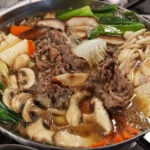
When the weather gets chilly, we all start craving something warm and comforting! So today, I’m sharing my recipe for traditional Korean bulgogi-jeongol (bulgogi stew), made by cooking tender bulgogi in savory broth with plenty of mushrooms, vegetables, and tofu. I mentioned the dish name as “bulgogi stew” or “bulgogi-jeongol” but actually there’s a difference […]
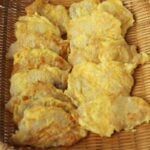
In this video, I’ll going to show you how to make “jeon,” a traditional Korean food breaded with flour and eggs. There are many kinds of jeon, but this one is made with cod. Ingredients Cod filets (400 grams), flour, olive oil, garlic, kosher salt, ground black pepper, eggs, a red chili pepper, soy sauce, […]
Fermented soybean paste (Doenjang-jjigae) is made with vegetables, tofu, and fermented soybean paste (doenjang). It’s Koreans’ everyday house food. We eat it with other side dishes and rice, but sometimes, especially in the southern part of Korea where I’m from, we eat this stew with barley rice, vegetable salad (Geotjeori), and hot pepper paste all […]
Today I’m going to introduce you to a simple, flavorful seafood dish called ojingeo-bokkeum. It’s spicy Korean stir-fried squid, one of my all-time favorite dishes. It’s easy to make that if you do it once you’ll probably be able to make for the rest of your life! : ) This recipe is very special to me because it’s the […]